GlySelf - The sweet origin of the animal "self"
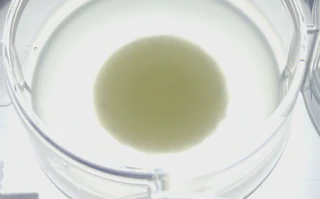 Reaggregating sponge cells. Image credit: Fabian Ruperti
All animals must distinguish between their own cells, those of others, and the countless microbes that surround them. This ability to tell “self” from “non-self” is fundamental to immunity, symbiosis, and the integrity of the individual. This project explores how this capacity first evolved, focusing on the role of protein N-glycosylation — the process of attaching sugars to proteins, which strongly influences how cells recognize and communicate with one another.
Using the coral-reef sponge Amphimedon queenslandica, one of the earliest-branching animal phyla, I study how N-glycans on cell-surface proteins dynamically change during interactions with symbiotic, foreign, and harmful microbes, as well as during self/non-self cell encounters. For that, I am combining mass spectrometry-based (glyco)proteomics and glycomics.
By uncovering how these sweet modifications of proteins helped ancient animals define their boundaries and interact with other life forms, this research will shed light on the molecular origins of the animal “self” — a key step in the evolution of multicellularity, immunity, and stable partnerships between hosts and microbes.
